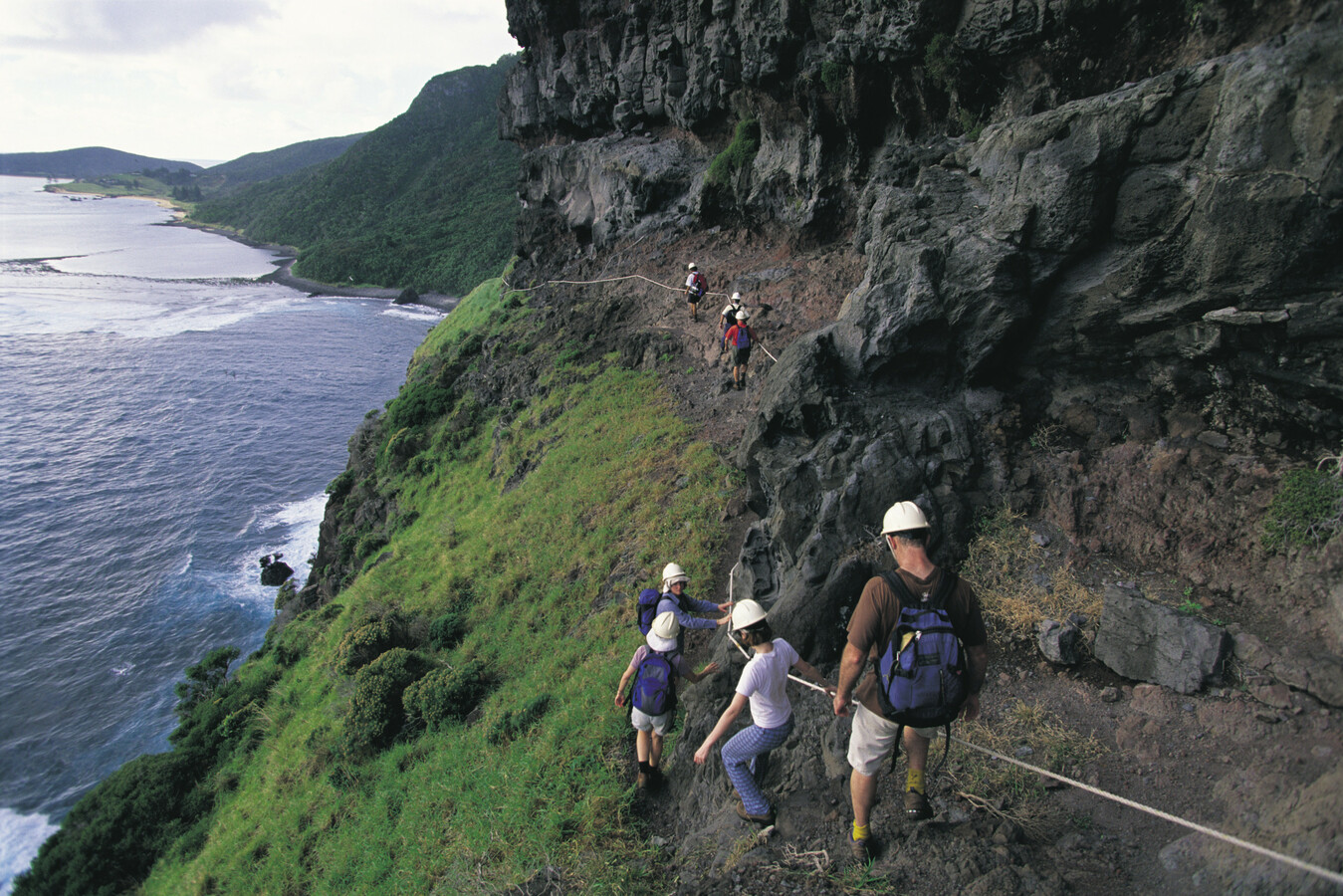

Lord Howe Island
Local guides in Australia invite you to visit Lord Howe Island, a UNESCO World Heritage site.
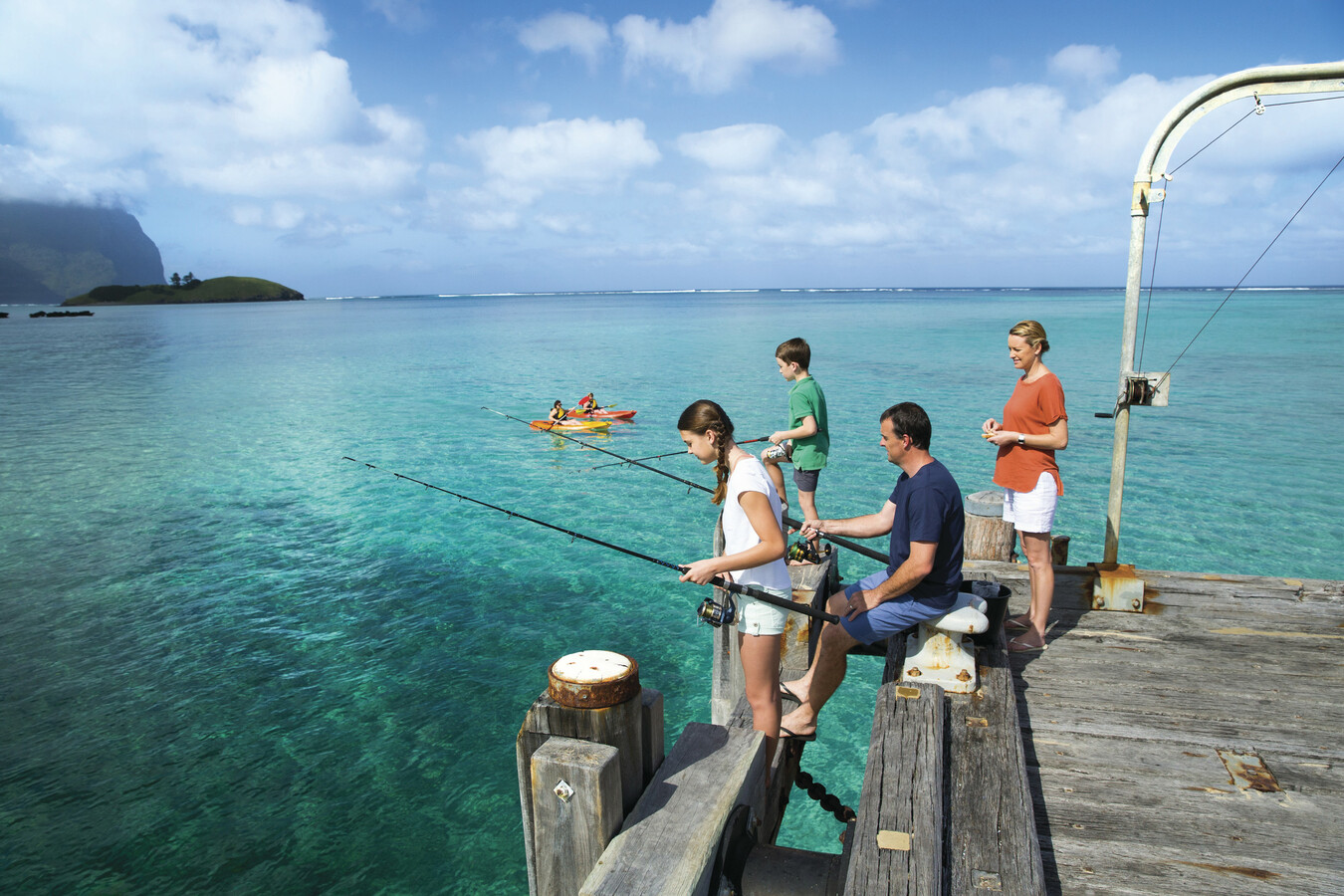
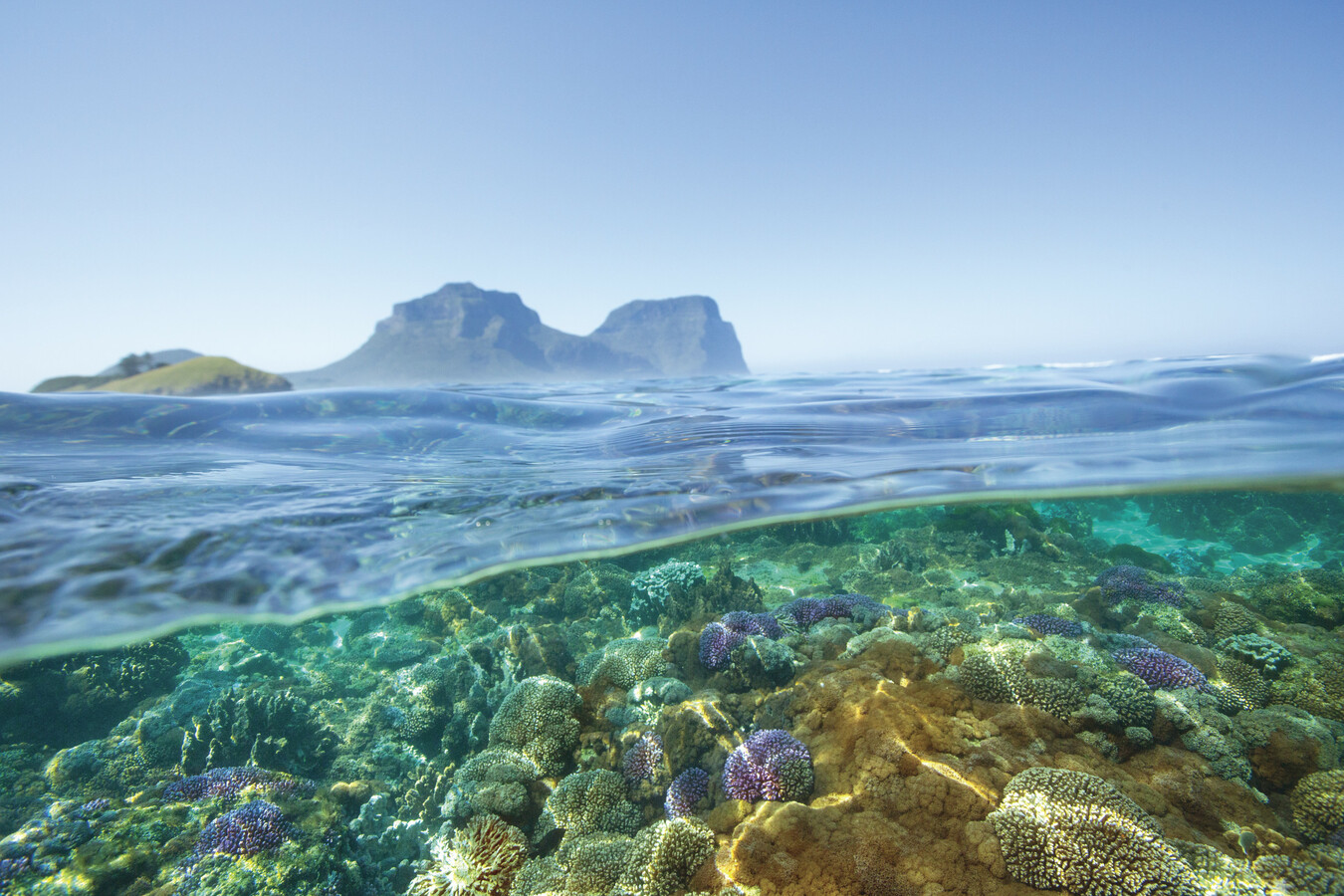
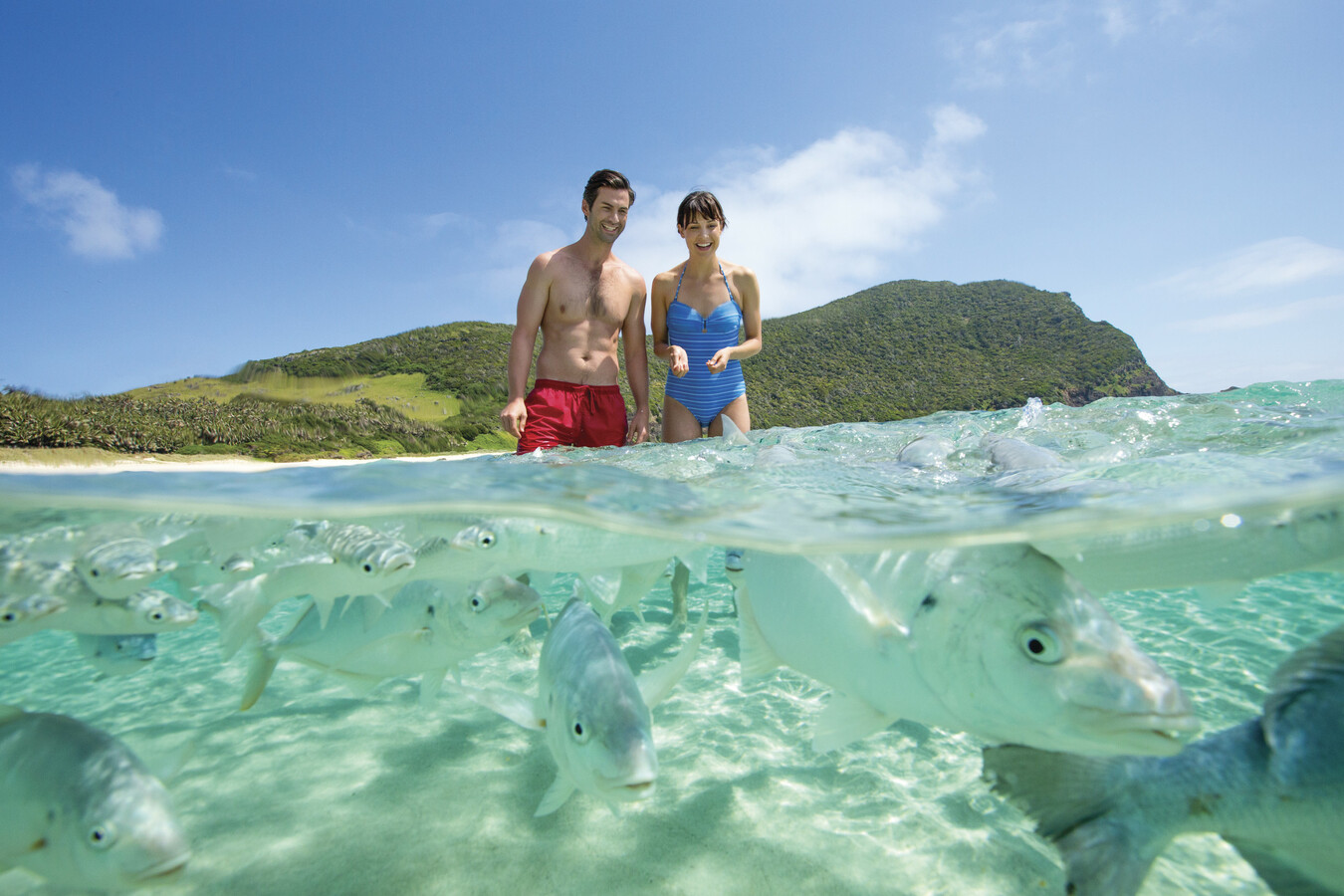
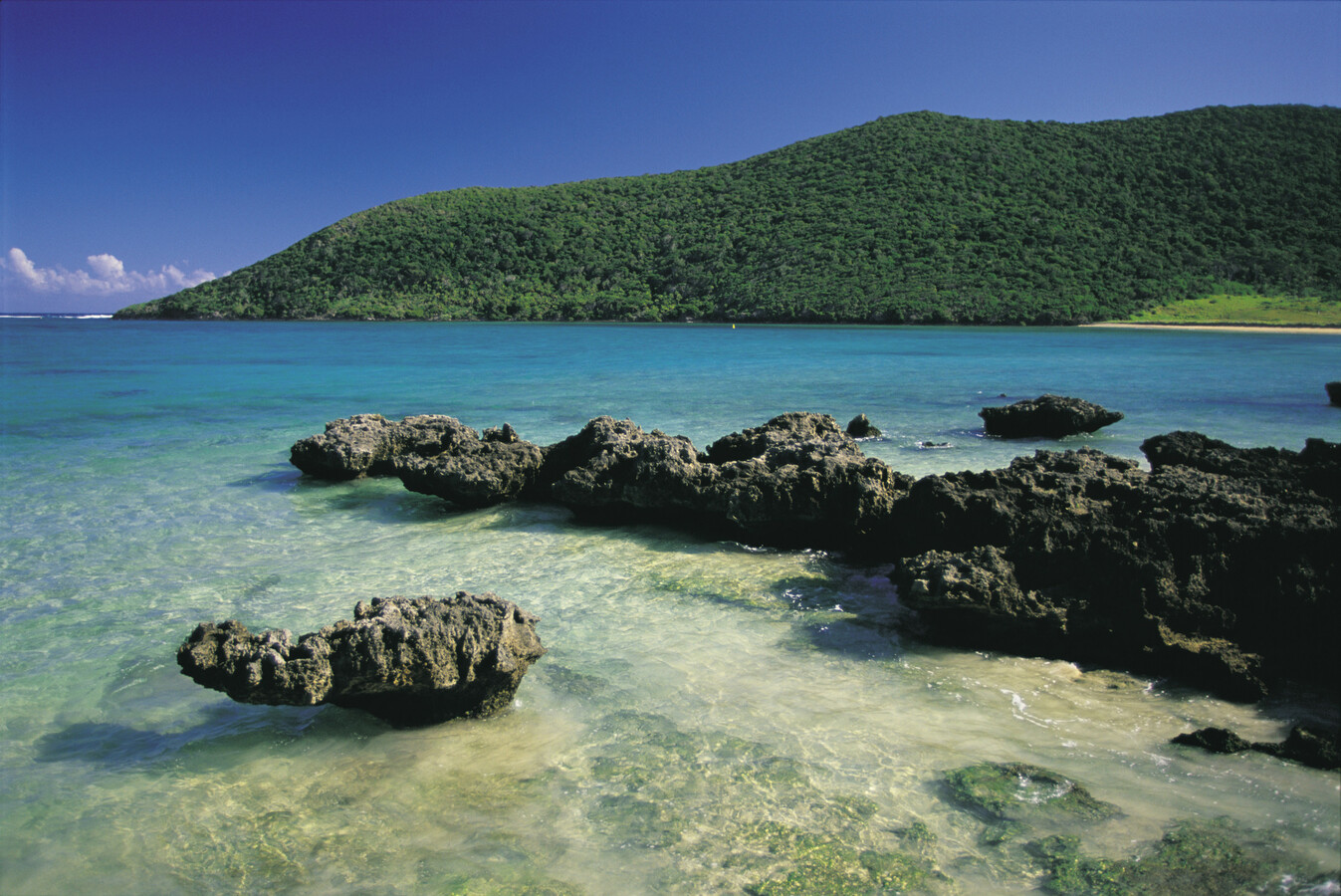
The strikingly beautiful Lord Howe Island, 600 km off Australia's east coast, is known as the 'Pearl of the Pacific'. A two-hour flight on a small plane from Sydney takes you to a paradise where ancient plants and unique wildlife survive, many species of seabirds nest, and the world's southernmost coral colonies live in the coastal waters.
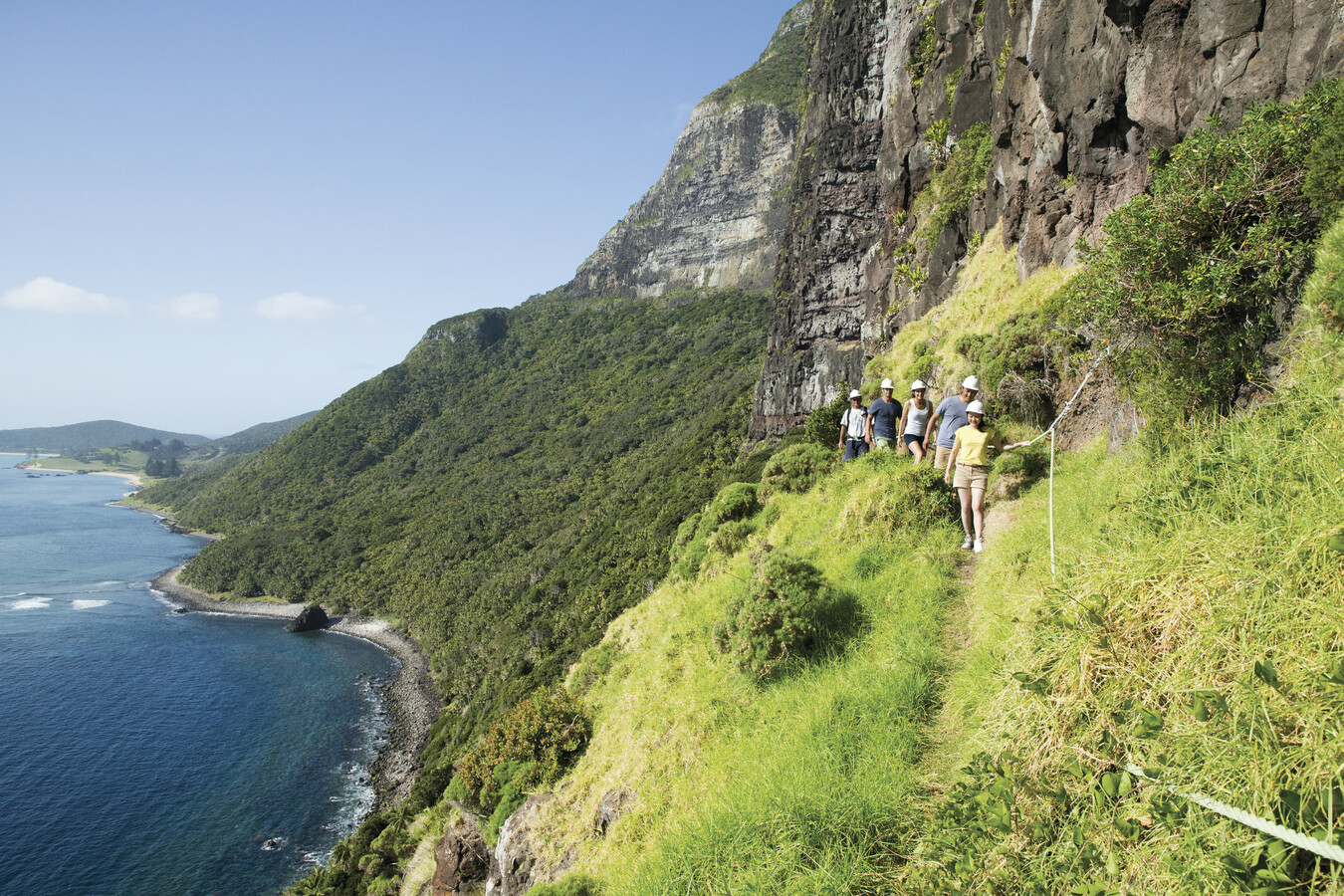
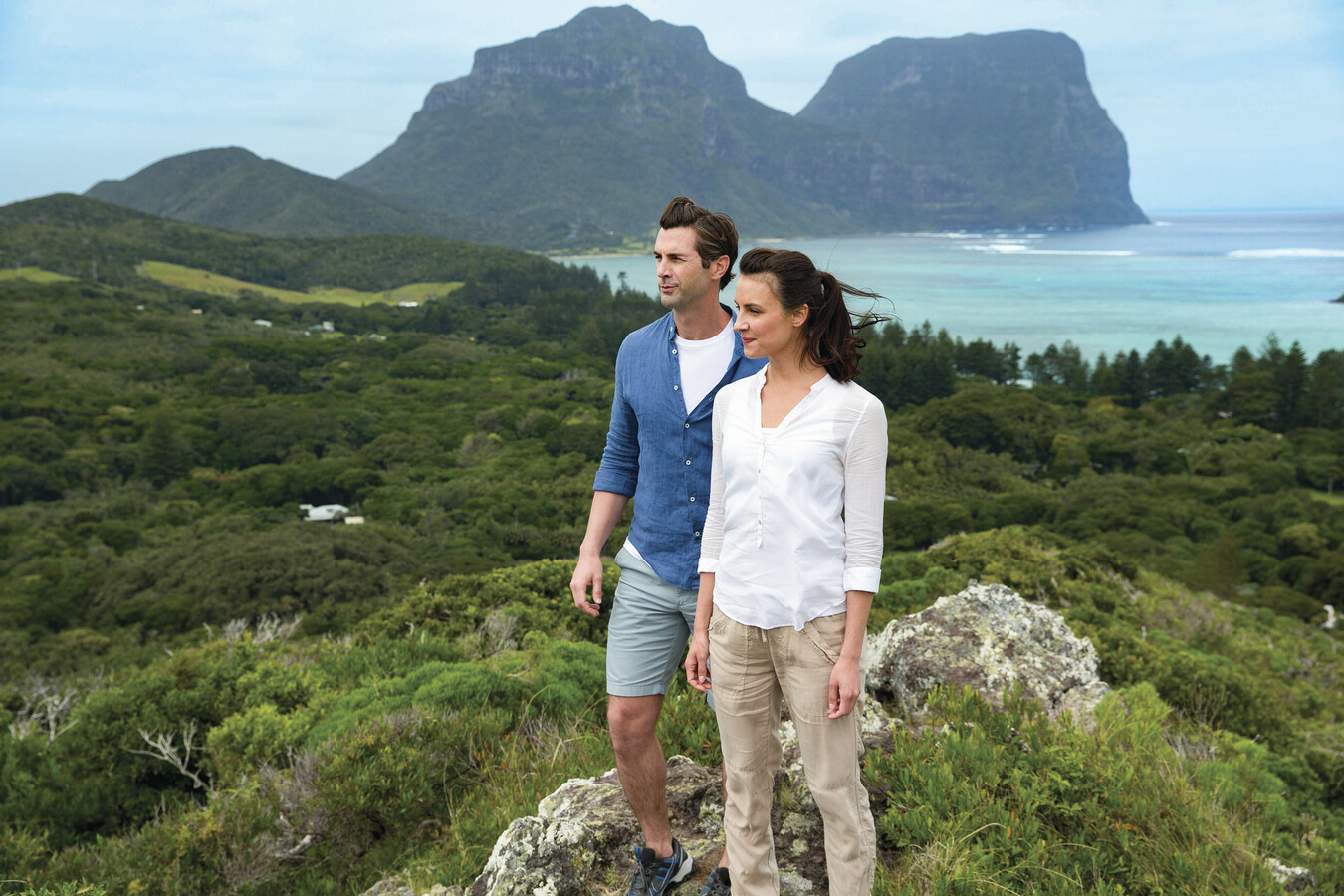
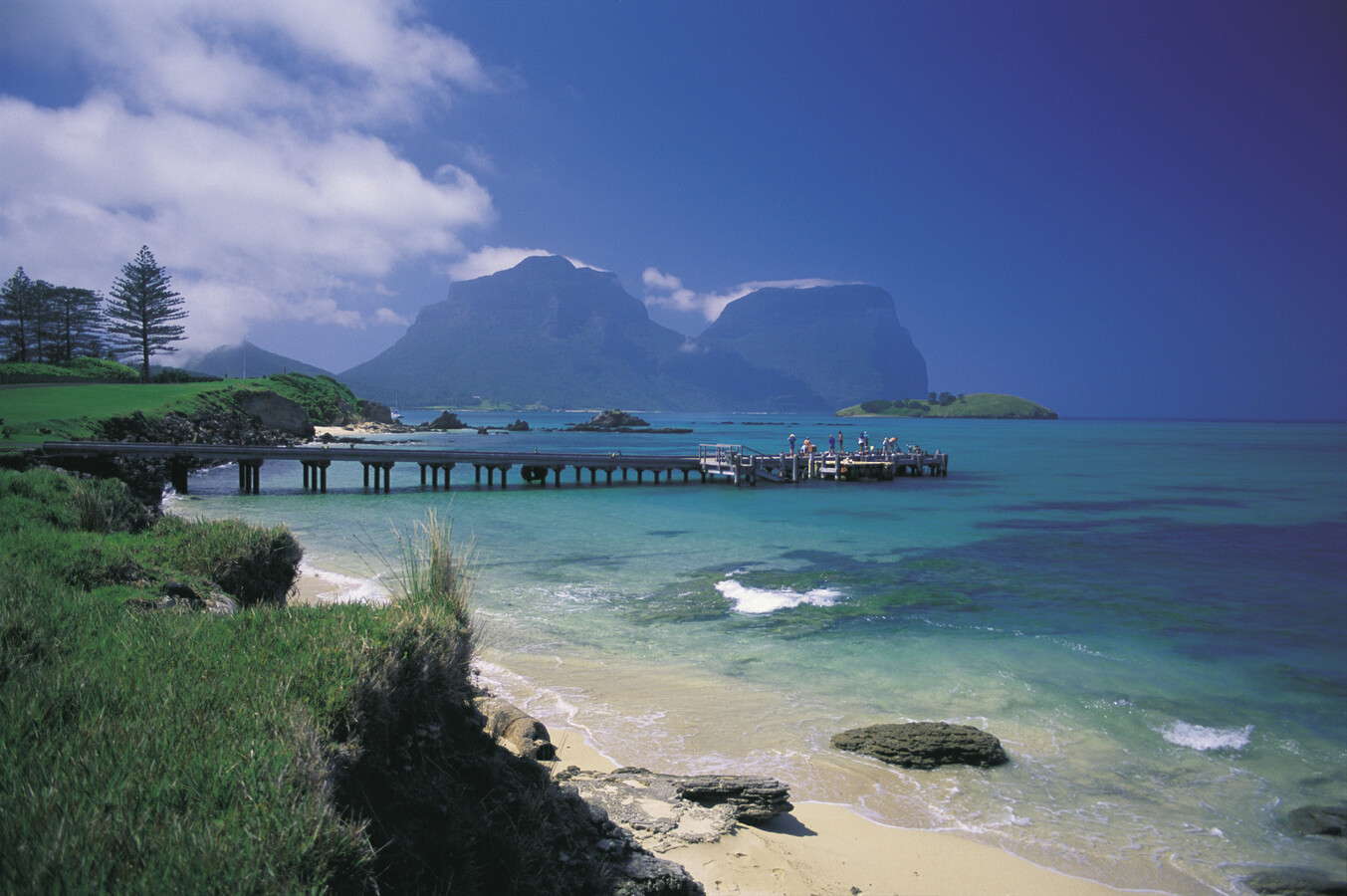
This unique, rainforest-covered island (10 km long and about 2 km wide) is considered one of the oldest volcanic islands in the Pacific, about 20 million years old. It was formed when two volcanic islands merged, which explains the island's exceptional landscape: hills and low mountains in the north, two huge basalt mountains in the south - Mount Lidgbird (777 m) and Mount Gower (875 m) - and a central part covered by sand dunes up to 45 metres high.
The uninhabited island was discovered in 1788 by Lieutenant Henry Lidgbird Ball, commander of the ship 'Supply', who was carrying convicts from Australia to Norfolk Island, and who named it after the British admiral Lord Howe.
Settlement began in 1834, and today the island has about 350 residents. Lord Howe belongs to Australia and has internal self-government. The island's economy is based on exporting the seeds of the endemic Kentia palm, the world's most popular decorative plant, and on tourism, with no more than 400 guests allowed to stay at any one time.
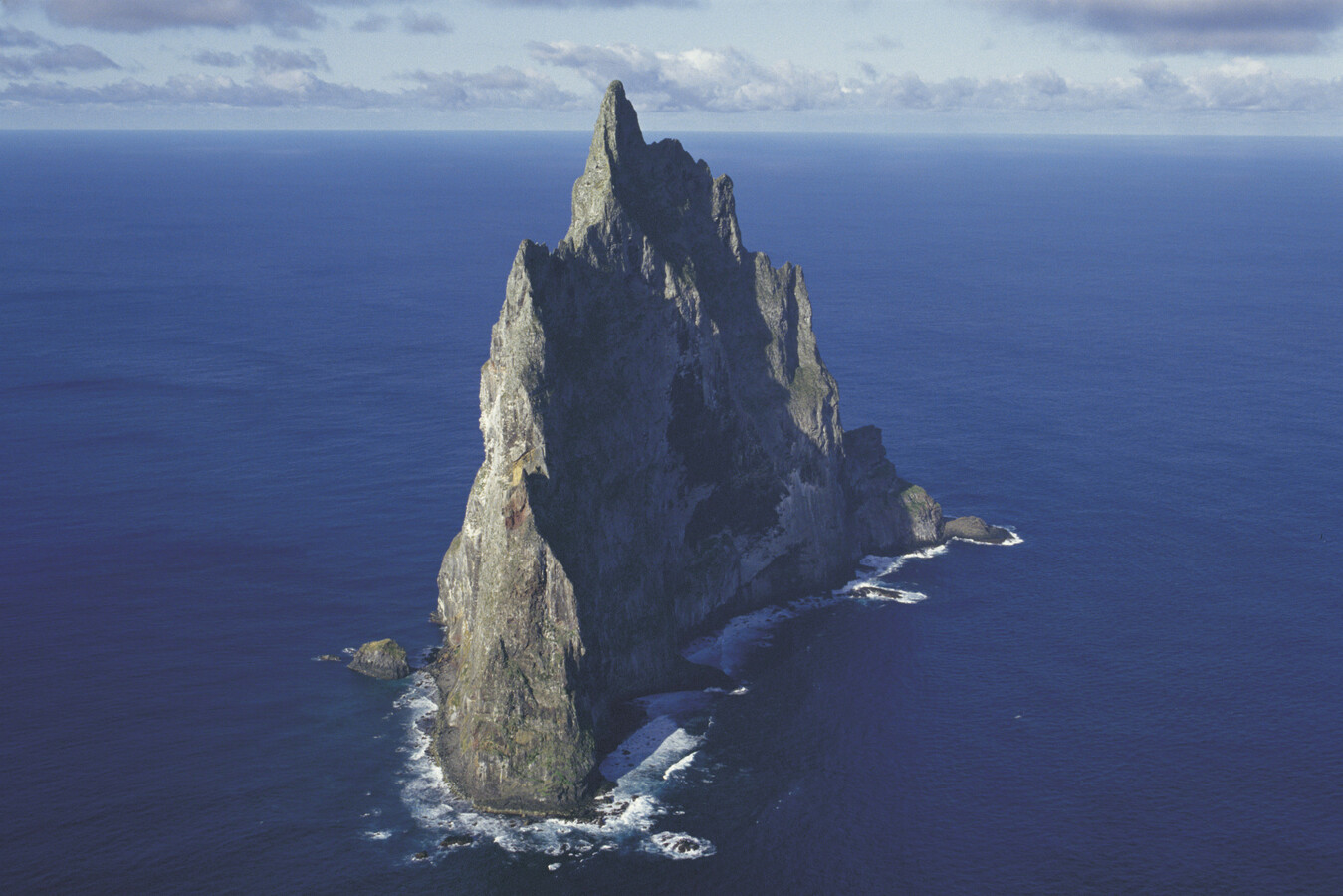
Another remarkable sight in this paradise is Ball's Pyramid (562 m high and 400 m wide), 20 km from Lord Howe, considered the tallest sea stack in the world. This uninhabited volcanic island, with its many nesting birds, a rare colony of stick insects and plentiful fish, makes a grand spectacle for boats cruising around it. Romantic images of the rock such as 'a sharp stone dagger piercing the air' or 'a giant sail soaring into the sky' still cannot convey the scale of the whole picture, which is comparable to a 540 m tower rising from the open ocean.
In 1982 the Lord Howe Island Group and Ball's Pyramid were inscribed on the UNESCO World Heritage List, and they are a coveted destination for lovers of wild, untouched nature with 'museum-quality' living exhibits of flora and fauna. Everything that climbers, bird-watchers, divers and walkers dream of is here.
From a bird's-eye view Lord Howe Island looks like a boomerang, calling you to return to this tropical paradise once more.
An accompanying guide on your trip to the island will be your interpreter and tour leader, and will make pleasant and interesting company.